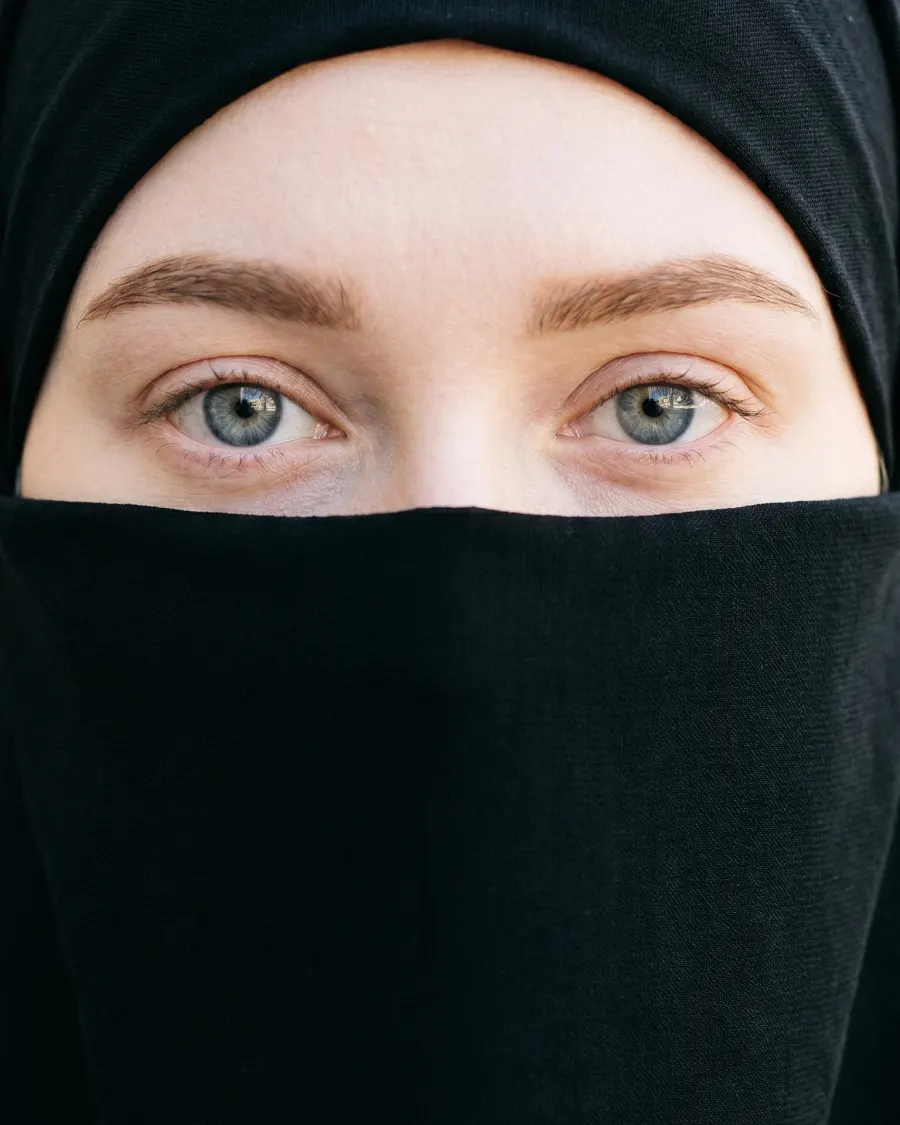
The most recent Muslim population on this list
Canada counted roughly 1.8 million Muslims at the 2021 census, close to five per cent of the population and up by about two thirds on the figure a decade earlier. The Toronto area holds the largest share of it, and a substantial part of that population arrived within the last twenty years.
The origin spread is unusually flat. There is no equivalent of London's Bangladeshi plurality or Minneapolis's Somali concentration: South Asian, Arab, Somali, Afghan, Iranian, Bosnian and West African communities all have real presence and none dominates. The population also does not sit downtown. It sits in Peel Region — Mississauga and Brampton — and in Scarborough, which is where the mosques, the Islamic schools and the community infrastructure actually are.
For browsing that means the heritage categories do more work than the city label does. Desi covers the largest single slice, the Somali category is a genuine read here rather than a stretch, and the Muslim category is the right default when you do not know which segment you want.
First generation changes the content register
This is the part that matters and the part no other page on this site can say. The British and American segments are English-first and locally raised: the humour, the references and the way a caption is written match the audience reading it, even where the presentation is conservative.
A first-generation-weighted market produces a much wider spread instead. Some accounts read exactly like a Canadian creator's. Others are bilingual, reference a cultural context the audience does not share, and read as imported rather than domestic. Neither is better and both are honest; it simply means "Toronto" predicts the register far less reliably than "Birmingham" or "New York" does. The guide to finding modest creators is the practical route through that, and hijab, niqab and modest explained covers the presentation vocabulary that travels across all of it.
Recency also raises the privacy stakes. A creator whose parents migrated recently is likelier to have immediate family overseas, in a country where exposure carries consequences that a Canadian passport does not protect against. Concealment norms here are at the strict end for that reason, and the faceless creator guide describes the mechanics.
Canada never built the access friction
Two other markets on this site have legal friction between a fan and the content. The United Kingdom runs national age verification under the Online Safety Act, described on the London page. Texas runs a state version, described on the Houston page.
Canada has neither in force. A federal age-verification bill has been introduced repeatedly and has not become law, so a Canadian fan reaches a subscription platform with no identity gate and no blocked platforms to route around. Payment access is straightforward and platform coverage is complete.
The structural consequence is that nothing stands between a Canadian fan and the decision to subscribe. Where an identity gate exists, it acts as a filter before the paywall does: some share of an audience stops at the verification step for reasons that have nothing to do with whether they wanted the content. Toronto has no such step, so what reaches a creator's page here has been shaped by interest alone rather than by interest plus a willingness to hand over a document.
Diaspora overlap and what the label means
The Somali community in the Toronto area overlaps materially with Minneapolis — families move between the two cities and the networks are continuous — so treating the two as separate audiences misreads the segment. The same is true, less strongly, of the desi corridors linking Toronto to Birmingham.
As everywhere on this site, a geo label appears because a creator approved it for publication. Nothing is inferred from content, and the city is the narrowest geography we show: no Peel, no Mississauga, no Scarborough, no postal code.