A single-origin community, not a mixed metro
Most American cities produce a Muslim population assembled from unrelated migrations — South Asian, Arab, West African, Balkan, African-American — that happen to share a religion and nothing else. Minneapolis is the exception. Somali resettlement to Minnesota began in earnest in the 1990s and the community that grew out of it, concentrated around the Cedar-Riverside area and spread across the Twin Cities, is the largest in North America by a wide margin.
For browsing, that means the city label and the heritage label point at almost the same set of people. The Somali category is not merely the closest match to this page — it is very nearly the same segment, and it is the better page to browse if heritage is what you care about. The city page exists for the smaller but real distinction it adds: American-raised, English-first, and culturally Midwestern in a way a Somali creator in Nairobi or London is not.
The second generation is the centre of gravity here. Most of the people this page describes were born or raised in the United States, went through American schools, and are online in exactly the same way their audience is.
Visibility is the constraint, and it is unusually high
Community exposure risk drives behaviour across this whole niche, but Minneapolis sits at the extreme end of it for two compounding reasons.
The first is concentration. A single-origin community means overlapping networks: mosque, school, extended family and neighbourhood are largely the same social graph, so the number of people who could recognise a creator is far larger than in a city where her community is dispersed. The second is that the community is comparatively small in absolute terms and highly interconnected across cities — Minneapolis, Toronto, Columbus and London function as one diaspora, not four separate ones. A creator here is not only visible to her city; she is visible to a network that spans continents and talks constantly.
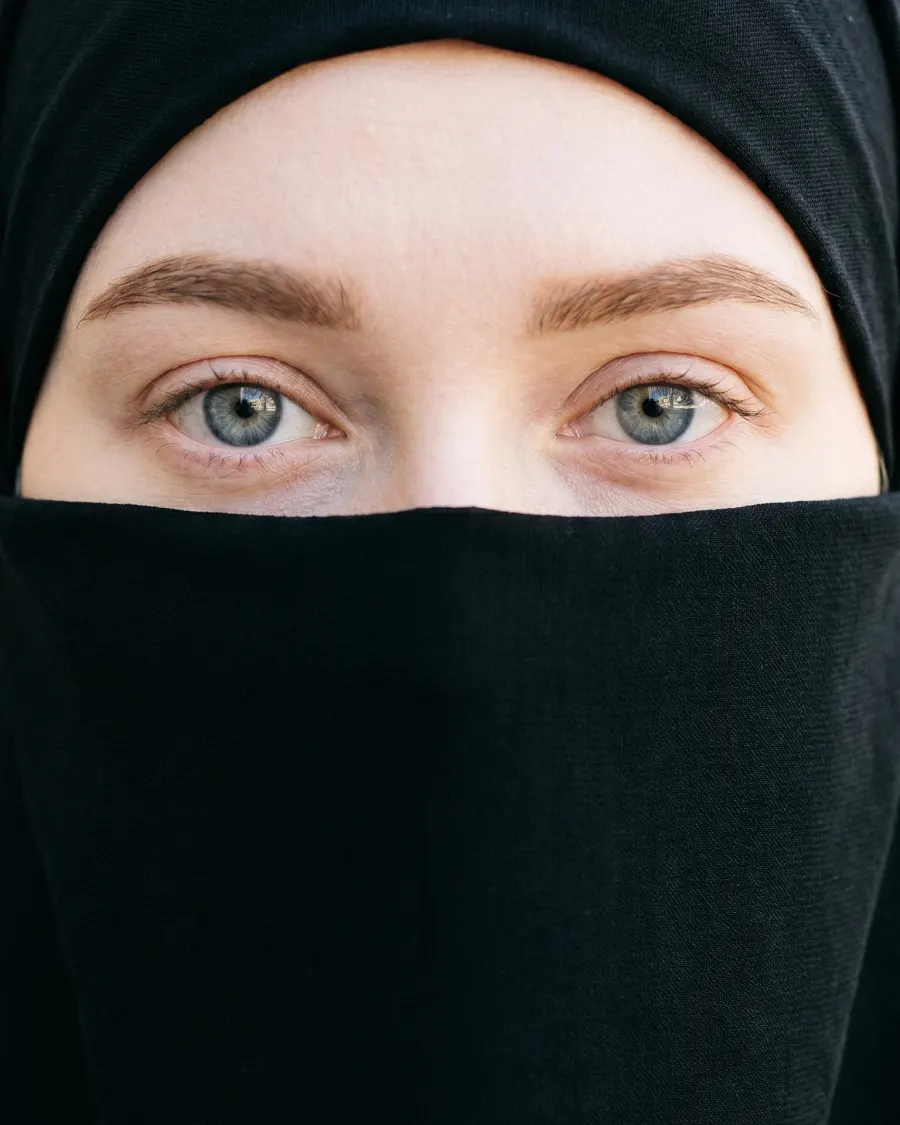
The result is that this is among the most concealment-heavy segments on the site. Full-coverage presentation and cropped or absent faces are the norm rather than a stylistic choice, stage names are universal, and many accounts avoid any geographic disclosure at all. The faceless creator guide covers how those accounts are structured, and hijab, niqab and modest explained sets out what the presentation styles actually mean before you browse.
What this means for the page itself
Be direct about the consequence: a city page for the segment least likely to publish a city is going to stay card-light, possibly permanently. We are running it anyway, because the editorial has value on its own and because the alternative — inferring locations from content — is something we will not do under any circumstances.
Every geo label on this site comes from a creator explicitly approving that label. Nothing is derived from backgrounds, accents, landmarks, timezones or metadata. If the grid above is empty, it means no creator has approved this label, not that we have failed to find them.
If you came here looking for someone local in a physical sense, this is the wrong resource and an adult subscription platform is the wrong route. What this page can tell you is what the segment is and how it operates, which is the part most directories skip.
Browsing from here
Start with the Somali category for the heritage match, the modest category if presentation style matters more to you than origin, and the Muslim category for the full directory. The modest creators guide is the general orientation piece if you are new to the niche.
The diaspora point above matters for navigation too: this community overlaps materially with Toronto, Columbus and London, and creators moving between those cities are common enough that treating them as separate audiences would be a mistake.